How Taekwondo Promotes Respect – G3 America TaeKwonDo
Home » Blog » Articles » How Taekwondo Promotes Respect – G3 America TaeKwonDo
May 21, 2024
Taekwondo, a Korean martial art known for its high kicks and dynamic movements, is not just a physical activity but also a discipline that fosters respect in several ways:
1. Hierarchical Structure and Protocols
Bowing: Practitioners bow to instructors, higher belts, and even the training space as a sign of respect. This practice instills a sense of humility and reverence.
Titles and Ranks: Using titles like “Sabumnim” (instructor) and adhering to the belt hierarchy teaches students to respect those with more experience and knowledge.
2. Emphasis on Etiquette
Dojang Etiquette: Students are taught specific behaviors and manners to follow in the training hall (dojang), such as punctuality, addressing others properly, and maintaining cleanliness. These habits promote discipline and respect for the training environment and peers.
Commands and Responses: Practitioners respond to commands with “Yes, sir/ma’am” or “No, sir/ma’am,” fostering a culture of respect and attentiveness.
3. Philosophical Teachings
Tenets of Taekwondo: Core principles like courtesy, integrity, perseverance, self-control, and indomitable spirit are integral to taekwondo practice. These values encourage respect for oneself and others.
Moral Development: Taekwondo training often includes discussions on ethics, encouraging students to reflect on and practice respectful behavior in and out of the dojang.
4. Physical and Mental Discipline
Self-Control: The rigorous training and controlled techniques help students develop self-discipline, which translates into respectful behavior.
Focus and Patience: Learning complex techniques and forms requires focus and patience, helping students appreciate the effort and dedication of others.
5. Community and Camaraderie
Peer Relationships: Training in groups builds a sense of community. Practitioners learn to support and respect their peers’ efforts and progress.
Mentorship: Higher-ranking students often mentor beginners, fostering an environment of mutual respect and learning.
6. Conflict Resolution
Non-Violent Principles: Taekwondo emphasizes using skills for self-defense and promoting peace. Practitioners are taught to resolve conflicts respectfully and avoid unnecessary violence.
Confidence and Humility: The confidence gained from training reduces the need for aggressive behavior, promoting respectful interactions instead.
In essence, taekwondo helps individuals develop respect through structured protocols, philosophical teachings, and a supportive community. This martial art goes beyond physical training, emphasizing personal growth and respectful behavior as core outcomes.
If you want to know more about our programs, click on RESPECT!


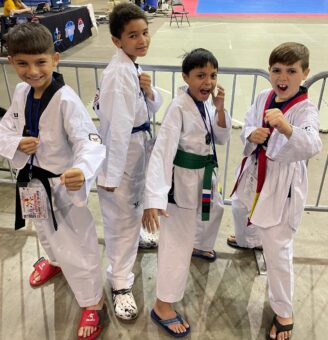 This martial art goes beyond physical training, emphasizing personal growth and respectful behavior as core outcomes.